
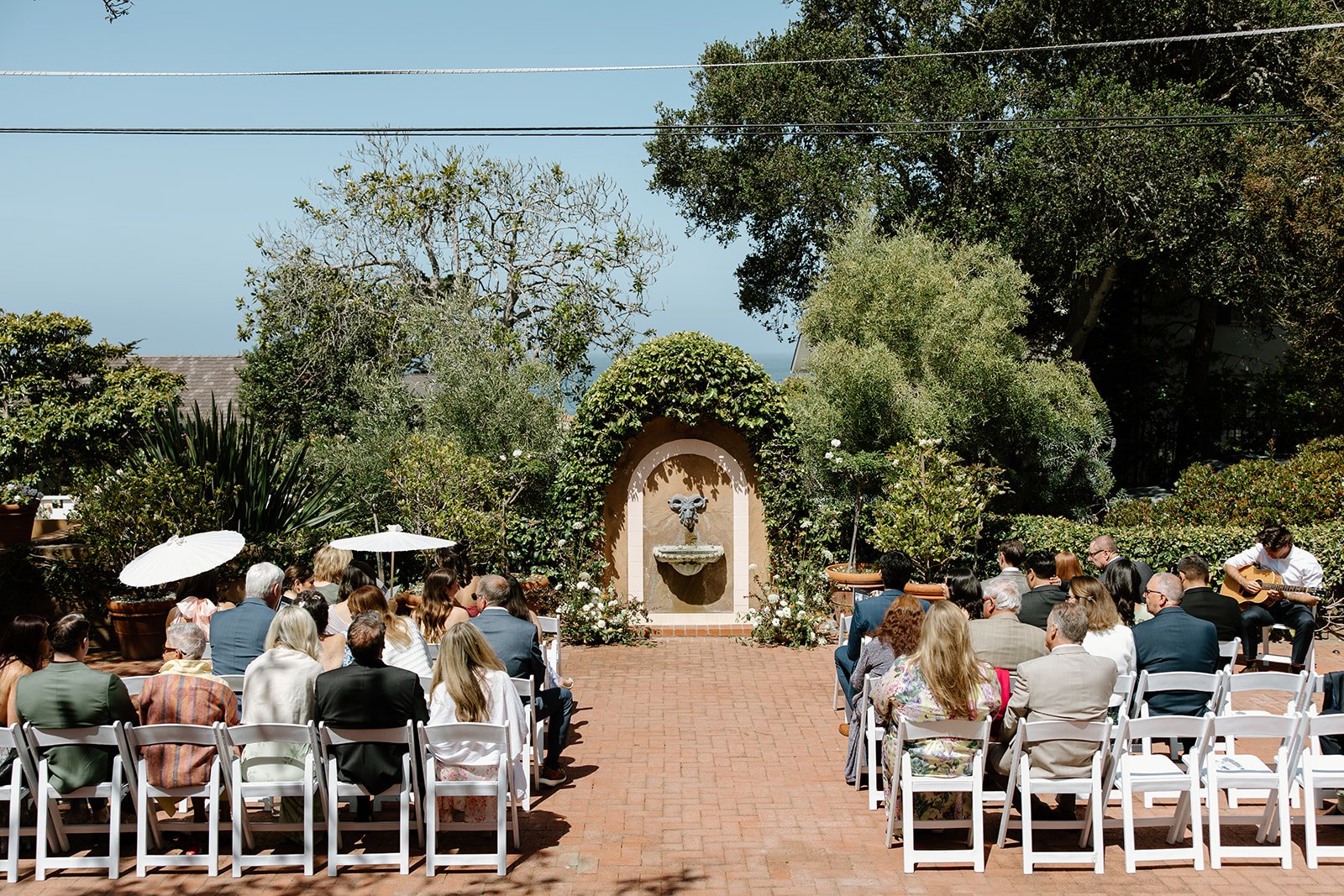
If you've started researching wedding planners on the Central Coast, you've probably run into two very different-sounding packages: "full-service planning" and "takeover execution" (sometimes called "month-of" or "day-of" coordination). Let's break down what each one actually means, who they're for, and how to figure out which fits your wedding.
Full-Service Planning: Someone in Your Corner From Day One
Full-service planning means your planner is involved from the very beginning, often before you've even chosen a venue. Think of it as a true partnership that runs the length of your engagement.
What's typically included:
Venue sourcing and site visits (especially valuable for Big Sur and Carmel properties, where availability and permitting can be tricky)
Full vendor curation — photographers, florists, caterers, rentals — matched to your style and budget
Budget creation and ongoing management
Design and styling direction, from color palette to tablescapes
Regular check-ins and planning meetings throughout your engagement
Full timeline creation and vendor coordination
On-site management for the rehearsal and wedding day
Where this matters most locally: A property like Carmel Highlands Inn, perched above the coastline, comes with real logistical variables. Cliffside ceremony setup, fog and wind contingencies, and a layout that requires careful vendor choreography between ceremony and reception spaces. Full-service planning lets a planner map all of this out well in advance rather than discovering it a month before the wedding.
Who it's for: Couples who are short on time, planning from out of town, unfamiliar with the local wedding landscape, or who simply want an expert steering the ship so they can enjoy being engaged instead of buried in spreadsheets.
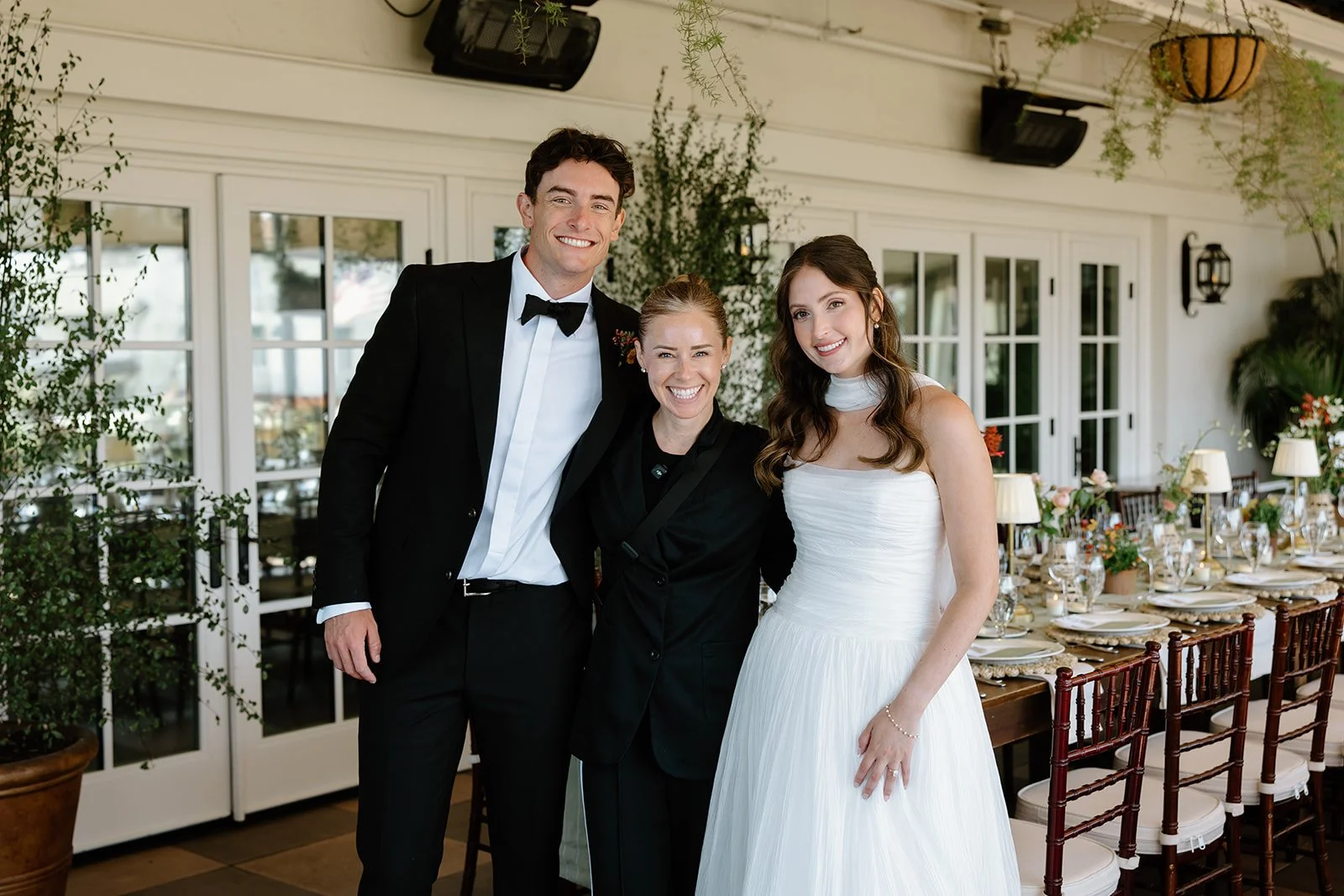
Takeover Execution: Bringing in the Pros for the Final Stretch
Takeover execution (what many planners call "month-of" coordination) is built for couples who've done their own planning. Action items that have been completed are: booked the venue, hired the vendors, made the big decisions, but want a professional to take the reins as the wedding approaches so nothing falls through the cracks.
What's typically included:
A planning handoff period (usually 2 months out) where your coordinator reviews everything you've booked
Final vendor confirmations and timeline creation
Day-of logistics management: setup, vendor arrivals, ceremony cues, reception flow
On-site problem-solving, because something always comes up, and you shouldn't be the one fielding it
A point of contact so your family and wedding party aren't on coordinator duty
Who it's for: Couples who enjoy the planning process and want to stay hands-on with decisions, but recognize they don't want to (or shouldn't have to) manage logistics on the actual day.
The Real Difference, in One Sentence
Full-service planning is about decisions; someone helping you build the wedding from scratch. Takeover execution is about logistics; someone making sure the wedding you already built runs smoothly.
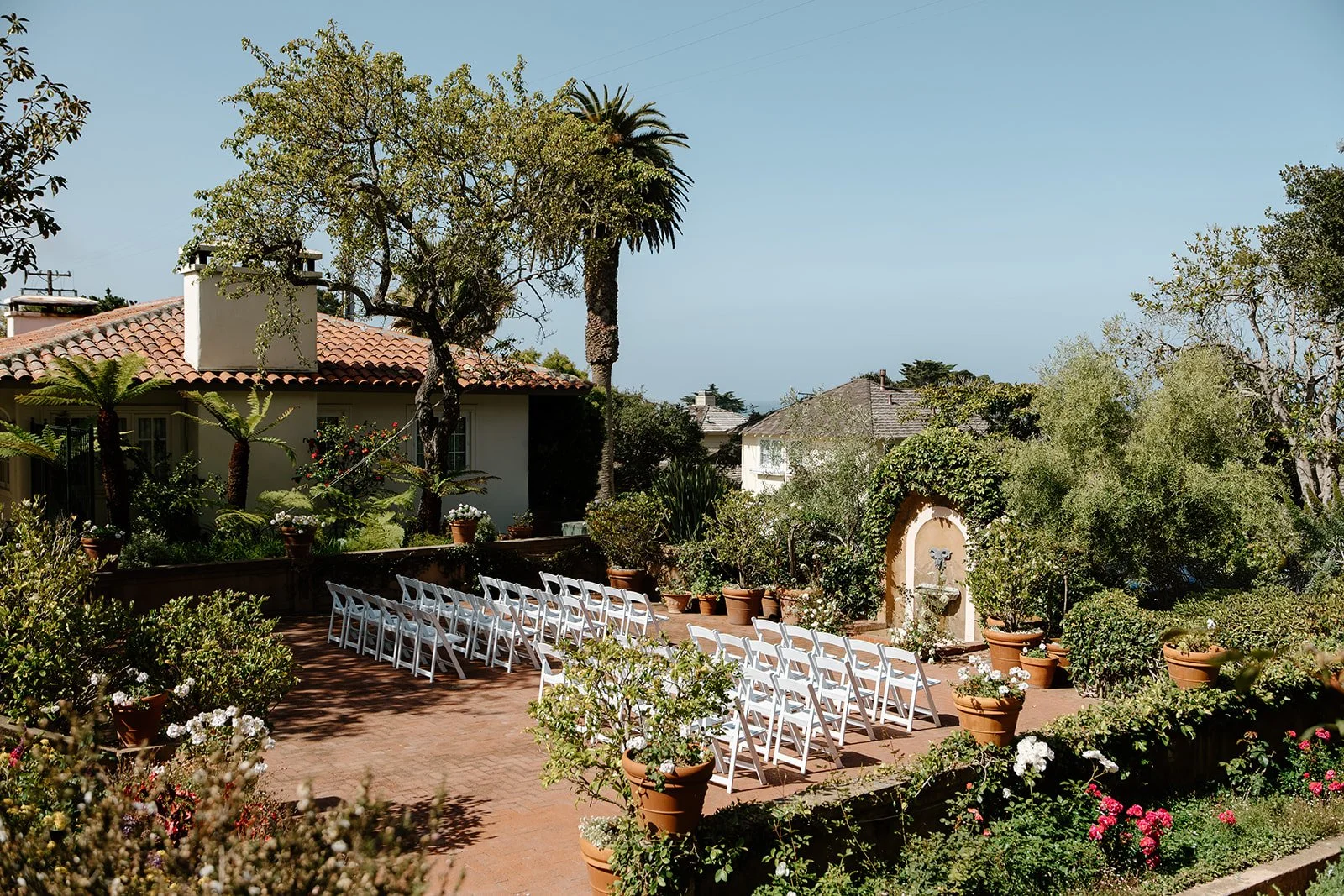
A Common Misconception
A lot of couples assume takeover execution is the "budget option" and full-service is the "expensive option." In reality, the right fit has more to do with your timeline, your local knowledge, and how much bandwidth you have, not just your budget. A couple planning a Big Sur wedding from across the country often needs full-service support regardless of budget, simply because they can't be on-site for venue walkthroughs or vendor meetings. Meanwhile, a couple who loves planning and lives locally might only need takeover support to protect their wedding day itself.
Questions to Ask Yourself
Do I know the Central Coast wedding vendor landscape, or would I be starting from zero?
Do I have the time (and desire) to manage a dozen or more vendor relationships?
On the wedding day, do I want to be reachable for questions, or fully present with my partner and guests?
Is my venue one that requires specialized local knowledge (permitting, weather contingencies, remote logistics)?
Your answers will usually point you toward the right package, and a good planner will tell you honestly which one you actually need, not just which one they'd rather sell.
Bride & Groom: @bycarolinelouise
Venue: @laplayaca
Wedding Planner: @corkandvows
Planner Content Creator: @clovertly.co
Florals: @paeonina
Photographer: @wildloveandwanderlust
Wedding Content Creator: @contentbykam
Hair & Makeup: @malinahairandmua
Ceremony Music: @dnaentertainment
Cater: @laplayaca
Dessert: @laplayaca
Stationary: @bycarolinelouise
Hotel: @laplayaca
